What is Oral Cancer?
Oral cancer, also known as mouth cancer, encompasses cancers of the mouth, lips, tongue, and throat, and can be caused by various factors, including tobacco use, excessive alcohol consumption, and human papillomavirus (HPV) infection. Oral and oropharyngeal cancers are particularly important to detect early through routine dental exams. While these factors increase the risk, anyone can develop oral cancer.
Risk Factors for Oral Cancer
Oral cancer can affect anyone, but certain factors can increase your risk of developing this serious condition. Understanding these risk factors can help you take proactive steps to protect your oral health. Here are some key risk factors for oral cancer:
- Tobacco use: Smoking cigarettes, cigars, or pipes, as well as using smokeless tobacco products, significantly increases your risk of oral cancer.
- Heavy alcohol use: Consuming large amounts of alcohol regularly can elevate your risk of developing oral cancer.
- Betel nut chewing: Chewing betel nuts, a practice common in some cultures, is linked to a higher risk of oral cancer.
- Human papillomavirus (HPV) infection: Certain strains of HPV, particularly HPV-16 and HPV-18, are associated with an increased risk of oral cancer.
- Family history of oral cancer: If you have a family history of oral cancer, your risk may be higher.
- Previous history of head or neck cancer: Individuals who have had head or neck cancer are at a greater risk of developing oral cancer.
- Poor oral hygiene: Neglecting oral hygiene can contribute to the development of oral cancer.
- Diet: A diet low in fruits and vegetables can increase your risk of oral cancer.
By being aware of these risk factors, you can make informed decisions about your lifestyle and take steps to reduce your risk of oral cancer.
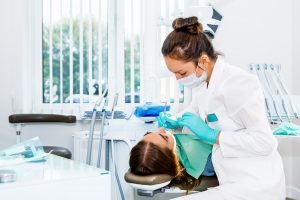 Symptoms of Oral Cancer
Early detection of oral cancer is crucial for successful treatment. Be aware of the following common symptoms:
- Sores or ulcers that do not heal
- Persistent pain or discomfort
- Difficulty chewing or swallowing
- Changes in speech patterns
- Numbness or tingling in the mouth
- Unexplained weight loss
- A lump or mass in the neck or jaw
Detecting symptoms such as lumps in the neck through self-screening practices is essential, especially for advanced oral cancer. Regular screenings can help catch oral cancer in its early stages, improving treatment outcomes and reducing fatality rates.
If you experience any of these symptoms, it’s important to consult with Dr. Behbood at Warren Family Dentistry in Warren, MI.
The Importance of Oral Cancer Screenings
Regular oral cancer screenings offer numerous benefits:
- Increased survival rates: Early detection can significantly improve the chances of survival for individuals diagnosed with oral cancer. Screening for oral cancer involves various models researched for effective implementation, tailored to population characteristics, available resources, and health system frameworks.
- Reduced treatment intensity: When detected early, oral cancer may be treated with less invasive options, such as surgery or radiation therapy, compared to advanced-stage cancers that often require more extensive treatment.
- Improved quality of life: Early diagnosis and treatment can help preserve oral function, speech, and overall quality of life. Screening tests for oral cancer are discussed in the context of their goals and recommendations by various health organizations, highlighting their debated benefits and effectiveness, especially for high-risk individuals.
- Peace of mind: Knowing that you have undergone a thorough oral cancer screening can provide peace of mind and help you feel more confident about your oral health.
How to Prepare for an Oral Cancer Screening
Preparing for an oral cancer screening is simple and straightforward. Here are some steps to help you get ready for your appointment:
- Schedule an appointment: Contact your dentist or healthcare provider to set up a screening.
- Share your concerns: Inform your dentist or healthcare provider about any symptoms or concerns you may have.
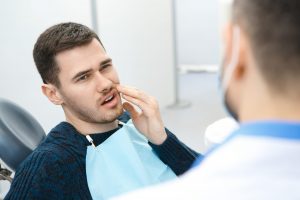
- Remove dentures or oral appliances: Take out any dentures or oral appliances before the screening to allow for a thorough examination.
- Provide your medical history: Be prepared to discuss your medical history, including any previous cancers or oral health issues.
- Prepare for the examination: Your dentist will examine your mouth, including your lips, cheeks, tongue, and throat.
By following these steps, you can ensure that your oral cancer screening is as effective and thorough as possible.
How Are Oral Cancer Screenings Conducted?
At Warren Family Dentistry, we employ effective screening techniques, including:
- Visual examination: A careful inspection of the oral cavity for any visible signs of abnormality.
- Palpation: Feeling the tissues of the mouth and neck for any lumps or masses.
- Oral cancer screening test: A quick and painless procedure that involves applying a special dye to the oral tissues and examining them under a blue light.
Early Detection and Treatment
Early detection of oral cancer is crucial for successful treatment. If oral cancer is diagnosed in its early stages, the chances of a positive outcome are significantly higher. Identifying oral potentially malignant disorders (OPMDs) as part of oral cancer screening initiatives is essential, as these conditions can precede cancer and early detection can reduce morbidity and mortality rates associated with late-stage diagnoses.
Treatment options may include surgery, radiation therapy, chemotherapy, or a combination of these approaches. Oral cancers are the 16th most common malignant neoplasm worldwide, affecting a significant number of individuals, especially in developing countries like India. Screening programs and early detection are vital for improving prognosis and survival rates, as many cases of oral cancer are asymptomatic in their early stages.
Understanding Your Results
After your oral cancer screening, your dentist or healthcare provider will discuss the results with you. Here are some possible outcomes and what they mean:
- Normal results: If no abnormalities are found, your provider will recommend a follow-up appointment for routine check-ups.
- Abnormal results: If an abnormality is detected, your provider may suggest further testing, such as a biopsy, to determine the cause.
- Biopsy results: If a biopsy is performed, the results will indicate whether the abnormal tissue is cancerous or benign.
Understanding your results can help you take the necessary steps to address any issues and maintain your oral health.
Reducing Your Risk of Oral Cancer
Taking proactive steps to reduce your risk of oral cancer is essential for maintaining good oral health. Here are some effective strategies:
- Quit tobacco use: If you use tobacco products, quitting can significantly lower your risk of oral cancer.
- Limit alcohol consumption: Reducing your alcohol intake can help decrease your risk.
- Practice good oral hygiene: Regular brushing and flossing can prevent oral health issues that may lead to cancer.
- Eat a healthy diet: A diet rich in fruits and vegetables can help protect against oral cancer.
- Get regular oral cancer screenings: Regular screenings can detect oral cancer early, when it is most treatable.
By incorporating these habits into your daily routine, you can reduce your risk of developing oral cancer and ensure better overall health.